Beginner
≈ 4 h 30 minSuggested range3 h 15 min – 6 h 15 min
Official LEGO® image · © LEGO Group and/or the respective rights holders. Source: LEGO Italy ↗
Botanicals · SET 10342
Pretty Pink Flower Bouquet
A pink bouquet with fifteen stems and varied flower shapes. Different blooms and adjustable heights make an arrangement to personalise after building.
- Pieces
- 749
- Release year
- 2025
- Theme
- Botanicals
- Set number
- 10342
- LEGO recommended age
- 18+
- LEGO retail price · Italy
- 59.99 €
Available at LEGO Italy when checked on 22 October 2026. Availability can change. Check the store for the latest information.
Retail price reported by the LEGO source for the stated market. Check the store for current price and availability; this does not establish the launch price. LEGO ↗ · Reference checked on 22 October 2026
Official English name verified at: LEGO English catalogue ↗ · Checked on 24 October 2026.
TIME TO BUILD
How long does it take to build Pretty Pink Flower Bouquet?
A starting point for planning your build. Times for each experience level are editorial estimates, not measurements submitted by HowLongToBuild users.
Editorial estimate informed by external reports
Intermediate
≈ 3 hSuggested range2 h – 4 h 15 minExperienced
≈ 2 hSuggested range1 h 30 min – 2 h 45 minBased on one person building the set for the first time, following the original instructions and using numbered bags where supplied. Includes normal piece-finding and minor adjustments; excludes long breaks, filming, dismantling and modifications. Sources may use different methods. This range is neither a statistical interval nor a limit: your build may take less or more time.
How we estimate times · sources and method
Small blooms and arranging the stems require more attention than a compact build with the same piece count. The three experience bands are cautious editorial assessments, not measured averages.
Sources do not always specify the builder’s experience. The three experience bands are our editorial assessment, based on the complexity of the set and individual accounts where available.
- Brick Fanatics · Pretty Pink Flower Bouquet ↗
The review reports about two hours for the entire bouquet.
Checked: 22 October 2026 · Method v1.0 · Limited reports; not a statistical average.
BUILT BY THE COMMUNITY
Yours could be the first building time.
0 reviewed solo building times.
No solo building times have been reviewed yet. You can still find editorial estimates under Suggested times.
Log your buildShare your building time · no account needed
Build your own story.
Save this set to your collection and track your progress. An account lets you keep your personal build history.
Create a free account →MAKE ROOM FOR YOUR NEXT BUILD
How much display space does it need?
Assembled-model dimensions are not yet documented for this set. Box dimensions cannot tell you how much display space it needs.
BEYOND THE BRICKS
Did you know?
Inside the set
More than roses
The flowers include cymbidium orchids, ranunculus, a dahlia and a campanula. Botanical differences become different building techniques.
LEGO sourceFifteen heights to choose
Adjustable stems let you change the bouquet’s shape and combine it with separately sold flowers from the collection.
LEGO sourceBeyond the set
The stories, places and inventions behind your build.
Petals for cut flowers
Persian buttercups are also grown as cut flowers. Their blooms can be simple or densely packed with satin-like petals.
Read the full story
Bedding ranunculus flowers may be open bowls or densely packed with satin-like petals, across pink, yellow, orange, purple, red and white. They also make popular cut flowers, connecting planted colour displays with the individual stems selected for a bouquet.
A plant that starts again underground
These buttercups can grow from dormant tubers. Their above-ground growth dies back after flowering, so the real plant’s cycle continues beyond the bouquet’s appearance.
Read the full story
Bedding ranunculus can be planted as dormant tubers in autumn or winter. Plants die back after flowering rather than remaining permanently leafy and colourful. RHS cautions that storing the tubers successfully for another year is uncertain, contrasting the living cycle with a lasting constructed bouquet.
Expanded stories updated on 29 October 2026
Written by HowLongToBuild · Sources are linked with each story · Checked on 22 October 2026. Historical facts and story details refer to the context described.
THE COMMUNITY’S EXPERIENCE
What was it like to build?
Three separate scores from 1 to 10. For difficulty, 1 means very easy and 10 means very difficult.
No approved ratings yet. Scores are never generated by this site or inferred from the recommended age.
Rate this set · no account needed
Building tips from the community
Specific steps, useful checks and sticking points. Contributions appear after moderation, in their original language. Do not upload instruction pages or personal contact details.
No approved tips yet.
Sign in to contributeSET THE MOOD
A soundtrack for your build
· Selected for the subject and atmosphere
Ravel’s piano writing offers musical colours and patterns alongside work on the model’s forms. This is an editorial listening choice, not an official association.
OUR PICK
Ravel: The Complete Solo Piano Works and Concertos
Seong-Jin Cho, Boston Symphony Orchestra & Andris Nelsons
Intimate and spaciousEditorial suggestions, not official soundtracks for the set. External services may require an account or subscription; editions and availability can vary by country. Suggest another soundtrack →
Report a problem with this set →
YOUR NEXT BUILD
You might also like
Sets from the same theme or with similar suggested building times. The ranges shown are for intermediate builders.

Official LEGO® image · © LEGO Group and/or the respective rights holders. Source: LEGO Italy ↗

Official LEGO® image · © LEGO Group and/or the respective rights holders. Source: LEGO Italy ↗
Bouquet of Roses
822 pieces · 18+
2 h – 4 h 15 min
Suggested time · Intermediate
Same theme, a new build
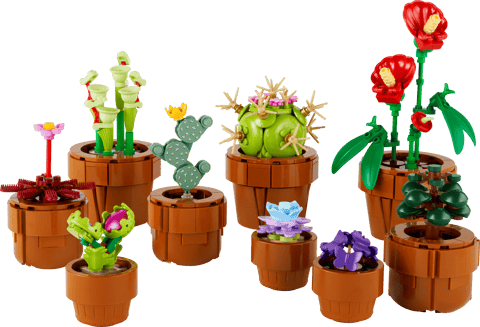
Official LEGO® image · © LEGO Group and/or the respective rights holders. Source: LEGO Italy ↗